
Whiteville, NC · Since 2001
Excavation Contractor in Whiteville, NC
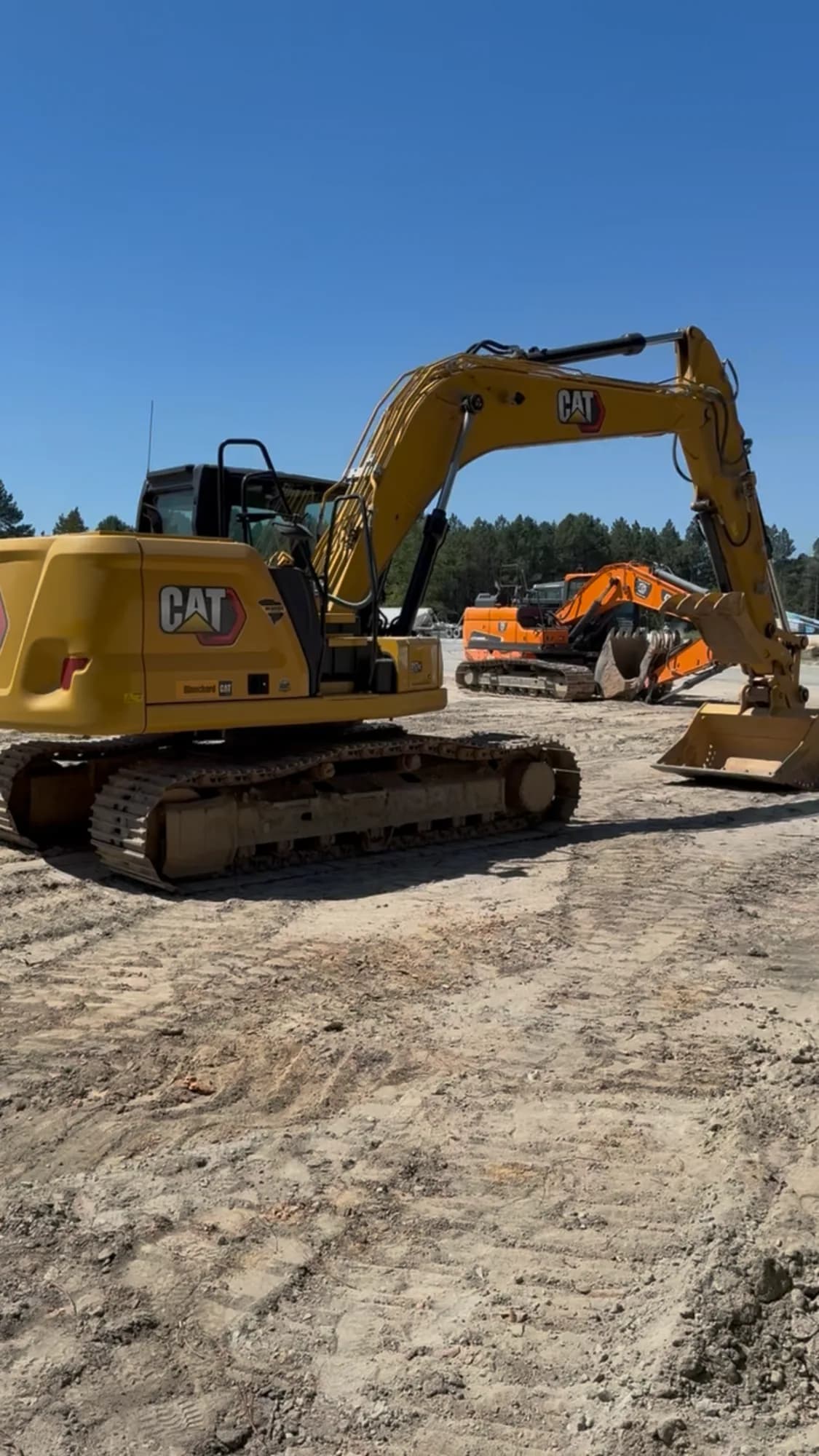
Excavation is the foundation work that everything else sits on. Dig the hole wrong — too shallow, too wide, wrong slope, wrong spot — and every dollar you spend after that is a dollar spent on a problem. Ward Excavation has been digging foundations, trenching utilities, and shaping raw ground in southeastern North Carolina since 2001, and the reason we are still doing it more than two decades later is that the holes hold up.
Most of our excavation work falls into one of four categories: foundation digs for new residential and commercial construction, utility trenching for water, sewer, and electrical lines, full-site cut-and-fill for pad building and grading, and pond or lake excavation for agricultural and recreational properties. We also handle septic system excavation and retaining wall preparation.
The customers who call us for excavation range from homeowners building on a single lot to developers clearing and grading multi-acre commercial sites. What they have in common is that they need the below-grade work done correctly before anything above grade can start. That is what excavation is — the work that happens before the work you can see.
We run excavation jobs across 33 counties in southeastern North Carolina and the northeastern Pee Dee region of South Carolina. The coastal plain soil profile in this part of the state — sandy loam over clay, high water tables in the bottomland, variable rock in the Sandhills fringe — shapes how every excavation job here has to be planned and executed.
What the excavator sees
When an experienced operator steps off the machine at a new excavation site, the assessment starts before the bucket touches dirt. The existing cuts on the property — road ditches, utility trenches, any exposed bank — tell the operator what the soil profile looks like underground. Sandy loam on top transitioning to red clay at three feet is a different job than sandy loam all the way down. Standing water in low spots, cattails in the drainage swale, and dark-stained soil at the surface all signal a high water table that will affect how deep the excavation can go and how long the trench walls will hold without shoring.
Access matters as much as soil. The operator looks at the route from the road to the dig site: how wide, how steep, what the ground bearing capacity is under the machine tracks. A compact excavator weighs eight thousand pounds; a full-size machine weighs forty thousand. Putting the wrong machine on soft ground means the operator spends half the day extracting instead of excavating. The spoil management plan — where the dirt goes, how it gets stockpiled, whether it leaves the site or gets reused for backfill — has to be figured out before the first bucket load comes up.
Utility risk is the last thing checked and the first thing that can shut a job down. Underground power, gas, water, sewer, and communication lines are not always where the maps say they are, especially in rural areas where easements were hand-dug decades ago. The operator walks the site looking for surface signs — valve covers, marker posts, grade changes that suggest a buried pipe — and confirms the locate markings from 811 before positioning the machine. None of this is dramatic. It is just what competent excavation looks like before the engine starts.
What's included
Foundation excavation
Digging for residential and commercial foundations — footings, crawl spaces, and full basements. Depth, width, and bearing surface are verified against the building plan before the pour crew arrives.
Utility trenching
Trenches for water, sewer, electrical, and communication lines. We dig to the depth and grade the utility installer specifies and backfill after the line is laid and inspected.
Site cut-and-fill
Moving earth from high spots to low spots to bring a site to the grade the engineer specified. This is the bulk-earth phase of pad building and commercial site prep.
Pond and lake excavation
Digging ponds for agriculture, recreation, irrigation, and stormwater management. Pond excavation involves clay identification, slope shaping, and freeboard planning — covered in depth on our pond and dam building page.
Septic system excavation
Digging for septic tanks, distribution boxes, and drain field trenches. We dig to the perc-test depth and grade that the septic installer specifies.
Retaining wall preparation
Excavating the footing trench and back-cut for retaining walls and erosion control structures. Proper base prep under a wall determines whether it holds or leans.
Rock and debris removal
When the excavation hits rock, buried concrete, or old debris, we remove it and haul it off site. Unexpected material below grade is common on older properties in this region.
Backfill and compaction
After the below-grade work is done and inspected, we backfill with approved material and compact in lifts to restore the grade around the excavation.
What to expect
- 1
Site walk and assessment
We walk the site, look at the soil, check access, identify utilities, and determine which machine fits the job. This usually happens during the estimate visit.
- 2
Utility locate confirmation
We verify 811 locate markings are current and flag any discrepancies before the machine is unloaded.
- 3
Machine selection and mobilization
The right excavator — compact or full-size — is loaded at 307 Old Tram Road and hauled to the site with the appropriate bucket and attachment.
- 4
Excavation and spoil management
The dig proceeds to the specified depth and grade. Spoil is stockpiled on-site for backfill or loaded for hauling, depending on the plan.
- 5
Grade verification and cleanup
Final depth and slope are checked. Loose material is cleaned up. The site is left ready for the next phase of construction.
Questions homeowners ask
- What drives the cost of an excavation job?
- The biggest variables are depth, volume of material moved, soil conditions, site access, and proximity to existing utilities. Shallow foundation digs on sandy soil with good road access are straightforward. Deep excavations on tight lots with clay soil, high water tables, or nearby utility lines take more time, more care, and sometimes smaller equipment. Hauling spoil off-site adds cost compared to stockpiling it for reuse. We walk the site, assess all of these factors, and write a quote that accounts for what the job actually requires. Call (910) 981-1119 to schedule that visit.
- How long does a typical excavation take?
- A residential foundation dig or utility trench usually takes one to two days. A full-site cut-and-fill for a commercial pad or a large pond excavation can take one to two weeks depending on the volume of earth being moved and the weather. Wet weather stretches timelines because saturated soil does not compact properly and equipment can damage a site that would be fine in dry conditions. We build weather contingency into the schedule rather than rushing through wet ground.
- Do I need permits for excavation work?
- It depends on the scope and location. Foundation digs and utility trenches are usually covered under the general building permit for the project. Larger land-disturbance work — generally anything over an acre — may require a separate erosion and sediment control plan. County requirements vary across our 33-county service area. We can tell you what is typically required for your project type during the estimate visit, but permit responsibility rests with the property owner or general contractor.
- What equipment do you bring to an excavation job?
- It depends on the job. Tight residential lots get a compact excavator that can work in confined spaces without damaging the surrounding property. Open commercial sites get a full-size excavator that moves more material per hour. We carry multiple bucket sizes and can swap attachments on site to match the dig. Bulldozers handle rough grading and material spreading. Dump trucks handle spoil removal when material leaves the site.
- How far from Whiteville do you take excavation jobs?
- We work across 33 counties in southeastern North Carolina and the northeastern Pee Dee region of South Carolina — roughly a 150-mile radius from our yard in Whiteville. We pair excavation jobs with other work in the same area when possible so the equipment trailer makes one trip instead of two. Call (910) 981-1119 and tell us where the site is — we will let you know if it fits our schedule.
- Can you excavate near existing structures or utilities?
- Yes, with the right machine and the right precautions. Compact excavators can work within a few feet of existing foundations, and hand-digging is used for the final approach to buried utilities. We confirm 811 locate markings before every job and we adjust the dig plan if site conditions differ from what the markings show. Excavating near utilities is slower and more careful work, and the quote reflects that.
- What happens to the dirt you dig out?
- It depends on whether the material is suitable for reuse. Clean fill gets stockpiled on site for backfill or grading. Material that cannot be reused — contaminated soil, clay that does not drain, old debris — gets loaded and hauled to an approved disposal site. We discuss the spoil plan during the estimate so you know what is leaving the site and what is staying.
Permits and official resources
Official sources worth knowing before this kind of work starts. We handle the machine side; these are the agencies that govern the paperwork side.
Where we offer excavation contractor
Ward Excavation runs a 150-mile service radius from our Whiteville yard. Licensed and insured in North Carolina and South Carolina, we work excavation contractor jobs across the counties below and 25 more — from the Columbus County interior out to the Brunswick coast and across the line into Horry County, SC.
Jobs that go hand in hand with excavation contractor
Ready to start your project?
Family-run since 2001. Licensed and insured in NC and SC.